
For many homeowners, DIY projects bring satisfaction, customization, and cost savings. But when it comes to protecting your home from water damage, cheap DIY gutter guards may not always deliver the results you’re hoping for.
At Advantage Gutter Guard®, we’ve seen firsthand how faulty gutters and ineffective gutter guards lead to foundation cracks, flooded basements, and ruined landscaping. In this article, we’ll break down the most common types of DIY gutter guards, their pros and cons, and why a professionally installed system is usually the smarter long-term investment.
Why Gutters and Gutter Guards Matter
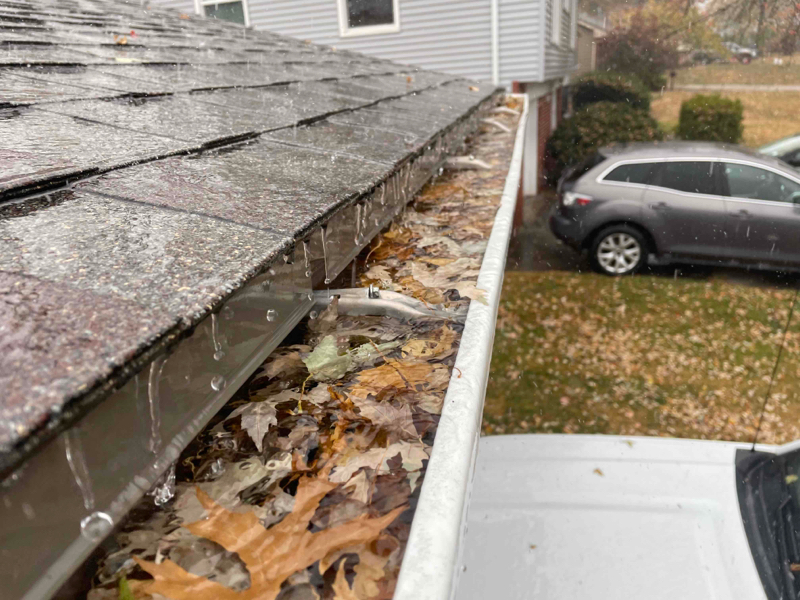
Your gutter system plays a crucial role in protecting your home. Its job is simple: collect rainwater from your roof and move it safely away from your foundation. One inch of rain on an average roof can produce more than 1,000 gallons of water — and without properly functioning gutters, all that water runs down your siding, saturates your soil, and puts your home at risk.
When gutters clog, sag, or are undersized, the results can be costly:
- Rotting fascia, soffit, and siding
- Erosion around the foundation
- Basement flooding
- Structural damage over time
Cheap gutter guards may seem like an easy fix, but they come with trade-offs.
Types of Cheap Gutter Guards
Several types of inexpensive gutter guards are available for purchase at hardware stores or through online retailers. Here’s a breakdown of the most common styles:
Mesh or Screen Gutter Guards
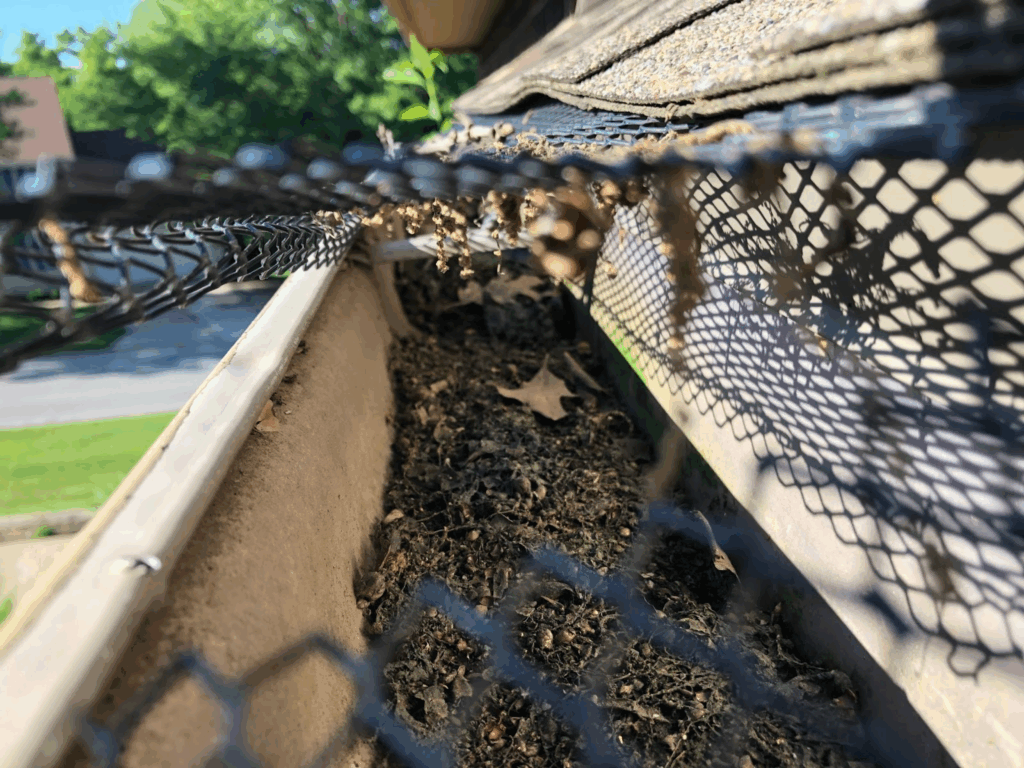
These guards use a metal or plastic mesh that sits on top of your gutters. The goal is to stop larger leaves from entering while letting rainwater pass through.
The drawback? Smaller debris like pine needles, shingle grit, and seeds easily slip through the openings. Over time, screens become clogged and often need to be removed to properly clean the gutters underneath.
Foam Gutter Guards
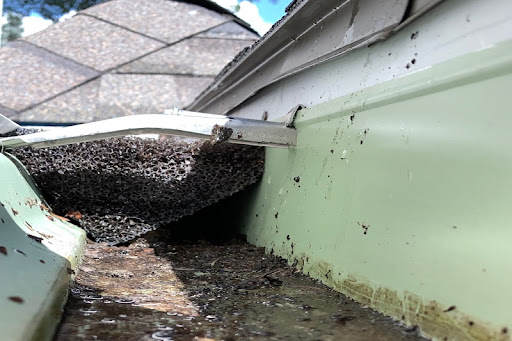
Foam inserts are cut to fit inside your gutter. They claim to allow water to soak through while blocking leaves and debris.
The problem? Foam breaks down when exposed to the elements and can cling onto smaller debris. It can trap moisture, leading to mold and mildew growth. Eventually, these problems can block water altogether. If not properly maintained, many homeowners end up with worse clogs than if they had no protection at all.
Brush Gutter Guards
Brush-style guards look like oversized bottle brushes that sit inside your gutter. The bristles catch leaves on top while letting water run through.
Reality?: Leaves and sticks still pile up on the bristles. This can lead to a soggy mess that must be cleaned by hand. In other words, it shifts you from cleaning your gutters to cleaning your gutter guard.
Plastic Snap-On Covers
These thin covers clip or snap onto your gutters. They are lightweight and inexpensive.
The issue? Plastic is prone to cracking, warping, or blowing away during heavy winds or storms. They rarely provide a reliable, long-term solution.
Why “Cheap” Can Cost You More
At first glance, these DIY gutter guards look like a smart, affordable option. But when you add up the hidden costs — frequent cleanings, replacing broken sections, repairing water damage, or even dealing with foundation issues from overflowing gutters — the price of “cheap” quickly rises.
In fact, many homeowners who start with inexpensive guards eventually switch to a professional-grade system when they realize the DIY route doesn’t actually solve the problem.
Common DIY Gutter Guard Cost
1. Metal Gutter Screens
- Cost: $0.36–$1.99 per foot ($60–$300 per home)
- Pros: Affordable, easy to install
- Cons: Still allow small debris inside, must be removed and cleaned several times per year
2. Plastic Gutter Screens
- Cost: Around $0.48 per foot ($70–$100 per home)
- Pros: Lightweight, easy to snap in place
- Cons: Sun damage, warping, short lifespan, still requires frequent maintenance
3. Foam Inserts
- Cost: About $1 per foot ($100–$200 per home)
- Pros: Simple installation, blocks large debris
- Cons: Reduces water capacity, breaks down over time, must be cleaned and replaced
4. Stainless Steel Micro-Mesh
- Cost: $1–$5 per foot ($100–$1,000 per home)
- Pros: Effective at keeping out small and large debris
- Cons: Lay flat and clog easily, require scrubbing multiple times a year
5. Vinyl Micro-Mesh
- Cost: $40–$400 per home
- Pros: Blocks large and small debris, cheaper than stainless steel
- Cons: Prone to warping, sun damage, and brittleness; needs replacing every few years
Are DIY Gutter Guards Worth It?
DIY gutter guards offer two clear benefits: they’re inexpensive and you can install them yourself. But every type still requires frequent upkeep and replacement. In many cases, homeowners end up back on the ladder more than they expected — cleaning, scrubbing, or replacing products that promised to cut down on maintenance.
That’s why many homeowners eventually turn to professionally installed solutions.
DIY vs. Professional Installation – Which Is Really More Budget-Friendly?
At first glance, DIY gutter guards seem cheaper. You can grab foam, mesh, or screens from the hardware store for a fraction of the cost of professional-grade products. But when you add up the maintenance, replacements, and risks, the numbers tell a different story.
The Hidden Costs of DIY
- Short lifespan: Foam and plastic materials often last only a few seasons.
- Ongoing upkeep: Cleaning and reinstalling guards multiple times a year.
- Potential water damage: Overflow can cause flooded basements, foundation cracks, leaks, and wood rot.
- Risk of injury: Repeated ladder use increases the chance of falls.
Why Professional Systems Win in the Long Run

A system like Advantage Gutter Guard® may cost more upfront, but it’s designed to last a lifetime. With professional installation, durable aluminum construction, and a clog-free guarantee, you eliminate the cycle of replacing cheap guards and worrying about overflow.
Bottom line: DIY gutter guards are cheaper today, but a professionally installed system is far more cost-effective — and safer — over the life of your home.
The Advantage Gutter Guard® Difference
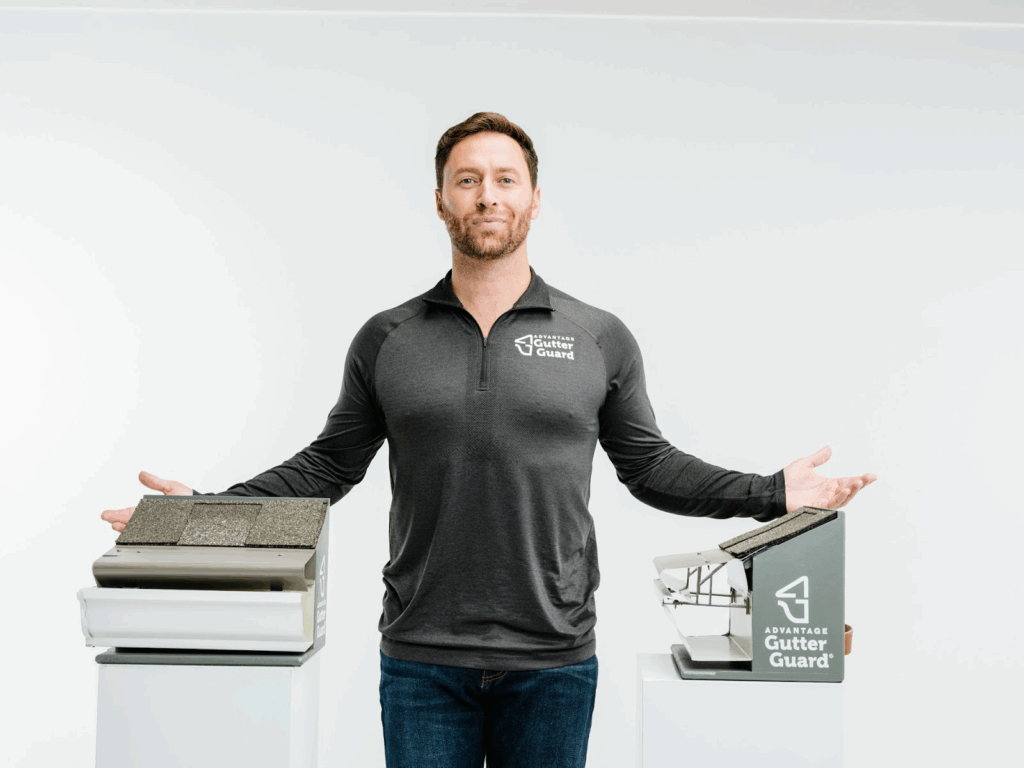
Unlike flimsy DIY options, Advantage Gutter Guard® is a solid reverse-curve system made of heavy-duty aluminum. It’s custom-fit to your home, installed by trained experts, and designed to keep debris out while allowing water to flow freely.
Benefits include:
- Lifetime clog-free guarantee
- Reinforced gutter system with aluminum brackets
- Low-maintenance design (occasional rinse if needed)
- Professional installation for optimal performance
For homeowners who want real protection and peace of mind, Advantage Gutter Guard® is the one-time solution.
Final Thoughts
DIY gutter guards can provide temporary relief, but they rarely solve the problem for good. With ongoing cleaning, short product lifespans, and the risk of costly water damage, the “cheap” option often ends up being the most expensive.
If you want true, long-lasting home protection, a professionally installed Advantage Gutter Guard® system is the smarter investment.
📞 Ready to protect your home? Schedule a free estimate today with Advantage Gutter Guard®.